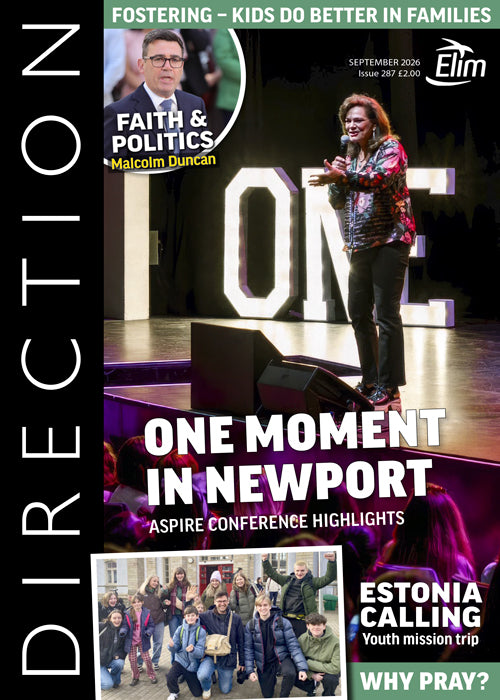

Changing political seasons, same calling
Political seasons will come and go but the church’s calling remains the same, writes Malcolm Duncan.
On 20 July, Andy Burnham became the UK’s new Prime Minister – the seventh person to hold that office since 2016. Whether we supported the decision to leave the European Union or opposed it, the decade since the referendum has exposed deep divisions in our national life.
Political debate has become increasingly confrontational, trust has eroded and successive governments have struggled to provide stability.
Writing in The Observer on 17 May 2026, Massimo Franco, a leader writer for Corriere della Sera, reflected on the dangers of Britain’s growing political instability.
Drawing lessons from Italy, he concluded: “If the alternative is populism, get ready for a convulsive period of instability.”
The warning was not new. In a withering New Statesman article published on 26 October 2022, Jeremy Cliffe argued that Britain’s political chaos had turned the country into an “international cautionary tale”.
We are, undoubtedly, in choppy waters. Political instability has been building for years and has become a familiar feature of Britain’s public landscape.
Governments change, leaders fall, promises multiply and public frustration deepens.
So how should Christians respond? There are many possible answers.
We can begin by becoming more actively engaged in our communities, recognising that democracy involves far more than casting a vote every few years.
It is about participating, listening, serving and becoming part of the solution to the challenges facing our nation.
Many members of Elim churches are already doing exactly that. They serve as local councillors, school governors, NHS volunteers, charity trustees and community organisers.
story continues…